

Your Child’s Lip or Tongue-Tie: Will It Fade on Its Own?
February 5, 2026
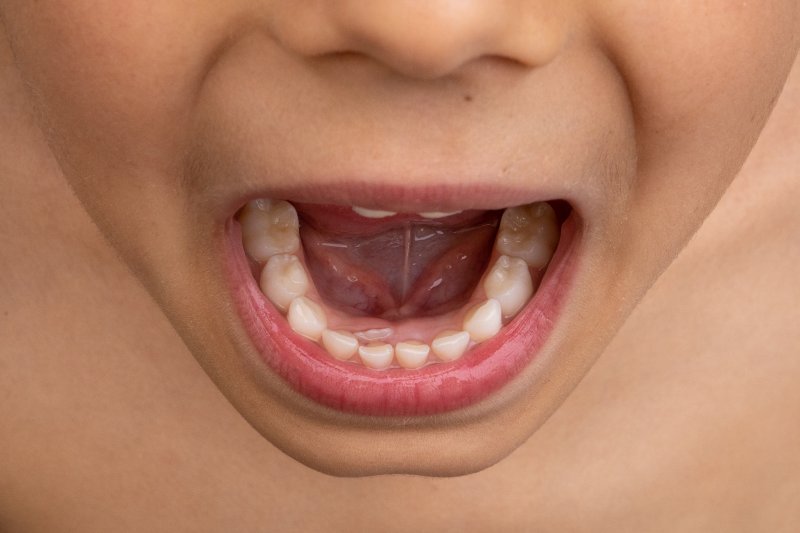
Have you been told that your child’s lip or tongue-tie will eventually go away on its own? Unfortunately, many individuals and professionals believe treatment is unnecessary for these banded tissues. The reality is that failing to seek proper care will only lead to more serious complications as your child gets older. To learn the truth, keep reading to discover why a frenectomy is the better (and safer) option.
Why Won’t a Lip or Tongue-Tie Go Away?
The banded tissues that exist beneath the tongue or behind the upper lip – the frenums – will not stretch out or disappear over time. The reason is that, as connective tissue, they consist of what researchers claim to be “type 1 collagen,” which means it’s unlikely to stretch.
Instead, these bands of tissue must be released surgically, which means allowing a lip and tongue-tie specialist to perform what is known as a frenectomy.
What Symptoms Can Worsen if Lip and Tongue-Tie Treatment is Neglected?
Patients with lip and tongue-ties can expect their symptoms to worsen over time if they do not receive appropriate treatment to release these tissues. Some of the most common issues that can progressively worsen include:
- The ability to eat: Infants will continue to struggle with latching or taking a bottle, which can lead to them struggling to consume solid foods. As time passes, older children and teenagers will find it harder to push well-chewed food toward the back of the mouth for successful digestion.
- The ability to speak: Toddlers may find it difficult to form initial words and sounds, while school-aged children and teens may develop a lisp that affects their speech clarity and self-esteem.
- The ability to breathe: Over time, children may begin to breathe through their mouth because their lip-tie prevents full closure while asleep. This can lead to snoring and other sleep-breathing disorders.
What is a Frenectomy?
A frenectomy is a simple procedure that releases the tissues holding the lip or tongue in place. This improves eating, breathing, and speaking, thereby enhancing the quality of life for infants, toddlers, children, and adolescents.
Depending on the specialist performing the frenectomy, they may use a soft tissue laser for a more comfortable and efficient procedure. The concentrated beam of light gently releases the tissue, effectively cauterizing it to minimize bleeding and swelling.
Don’t let your child’s lip or tongue-tie go untreated. Instead, get them the care they need to enjoy life with a fully functional smile and improved oral health.
About the Author
Dr. Maggie Davis is a board-certified pediatric dentist and Diplomate in the American Academy of Pediatric Dentistry. She is certified in lip and tongue-ties by the American Board of Laser Surgery, and she is a graduate of Dr. Richard Baxter’s Tongue Tie Academy and TOTs: Tethered Oral Tissues Program. If you have a child with a lip or tongue-tie and are wondering whether treatment is necessary, call our office at (727) 786-7551 or visit our website.
No Comments
No comments yet.
RSS feed for comments on this post.
Sorry, the comment form is closed at this time.