

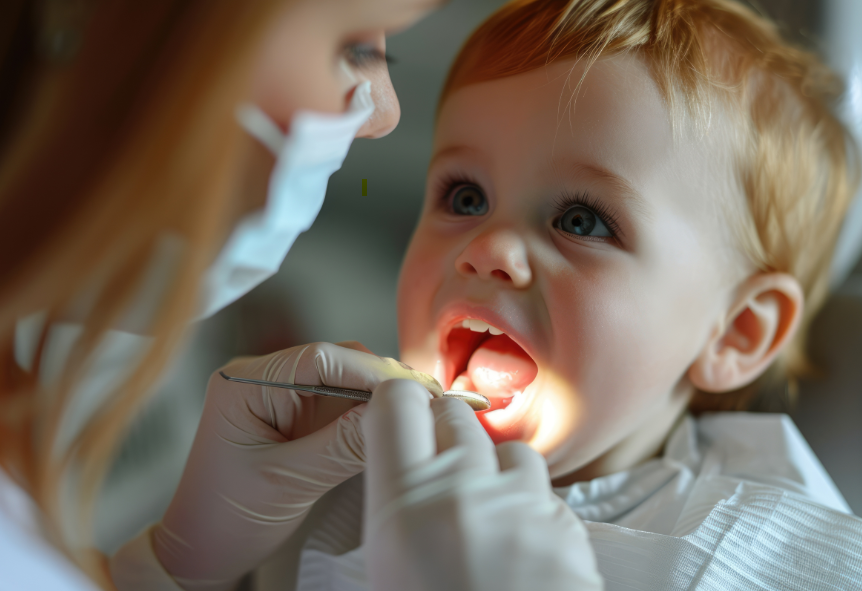
Toddlers are busy exploring new foods, learning to talk, and developing their independence. When something interferes with these everyday milestones, parents naturally want answers. One possible factor is a lip tie, which can restrict movement of the upper lip and sometimes affect eating, oral hygiene, and other daily activities. But does every lip tie need treatment? Understanding the signs can help you decide when to seek professional guidance.
What Is a Lip Tie?
A lip tie occurs when the band of tissue connecting the inside of the upper lip to the gums, called the labial frenulum, is unusually tight or restrictive. This tissue is a normal part of the mouth, and its appearance varies from child to child. A prominent frenulum doesn’t automatically mean a toddler has a problem.
When the tissue restricts movement, however, it may interfere with certain oral functions. Some children experience no noticeable difficulties, while others may benefit from an evaluation by a qualified dental or medical professional.
How Can a Lip Tie Affect a Toddler’s Daily Life?
The effects of a lip tie depend on how much movement is restricted and whether it causes functional problems. Here are a few areas parents may want to watch.
Eating and Food Preferences
Toddlers are often selective eaters, so refusing vegetables or disliking certain textures doesn’t necessarily indicate a lip tie. However, some children with restricted lip movement may have difficulty managing food, removing food from a spoon with their upper lip, or keeping food comfortably positioned while eating.
If your toddler regularly struggles during meals, gags frequently, or has difficulty chewing, talk with their pediatrician or dentist. These symptoms can have several causes and deserve an individualized assessment.
Oral Hygiene and Tooth Health
Keeping little teeth clean can already be a challenge! A restrictive upper lip may make it harder to lift the lip comfortably while brushing the front teeth. This can make thorough cleaning more difficult, potentially allowing plaque and food debris to accumulate.
Help your toddler brush twice daily with an age-appropriate amount of fluoride toothpaste, and gently lift the upper lip when needed to clean along the gumline. If brushing consistently seems uncomfortable or difficult because of restricted movement, ask your dentist to evaluate the area.
Speech and Oral Development
Parents sometimes worry that a lip tie might affect speech development. However, the relationship between lip ties and speech difficulties isn’t well established, and speech concerns shouldn’t automatically be attributed to the frenulum.
If your toddler is difficult to understand or isn’t meeting expected communication milestones, discuss your concerns with their pediatrician. A speech-language pathologist can evaluate their development and recommend support if needed.
Does a Lip Tie Need Treatment?
Not every lip tie requires intervention. If your toddler eats comfortably, maintains good oral hygiene, and has no functional concerns, monitoring may be appropriate.
When a restrictive frenulum causes persistent difficulties, a qualified provider can assess whether treatment might help. One option is a frenectomy, a procedure that releases the restrictive tissue. The decision should be based on your child’s individual symptoms and examination rather than appearance alone.
Your provider may also recommend working with other specialists, such as a feeding therapist or speech-language pathologist, depending on your toddler’s needs.
When Should You Seek an Evaluation?
Consider scheduling an appointment if your toddler regularly struggles with eating, has difficulty allowing you to brush their front teeth, or experiences other persistent concerns involving oral movement. Seek prompt medical advice for feeding difficulties accompanied by poor growth or signs of dehydration.
Early evaluation can help you understand what’s happening and identify appropriate next steps without rushing into unnecessary treatment.
About the Practice
Florida Tongue Tie Institute in Palm Harbor, Florida, provides lip and tongue tie evaluations and treatment. Dr. Maggie Davis and her team use advanced soft-tissue laser technology to treat restrictive oral tissues when clinically appropriate. The practice works with infants, children, teens, and adults, helping families understand their options and make informed decisions about oral function and care.
Call us at (727) 786-7551 or schedule your appointment online